
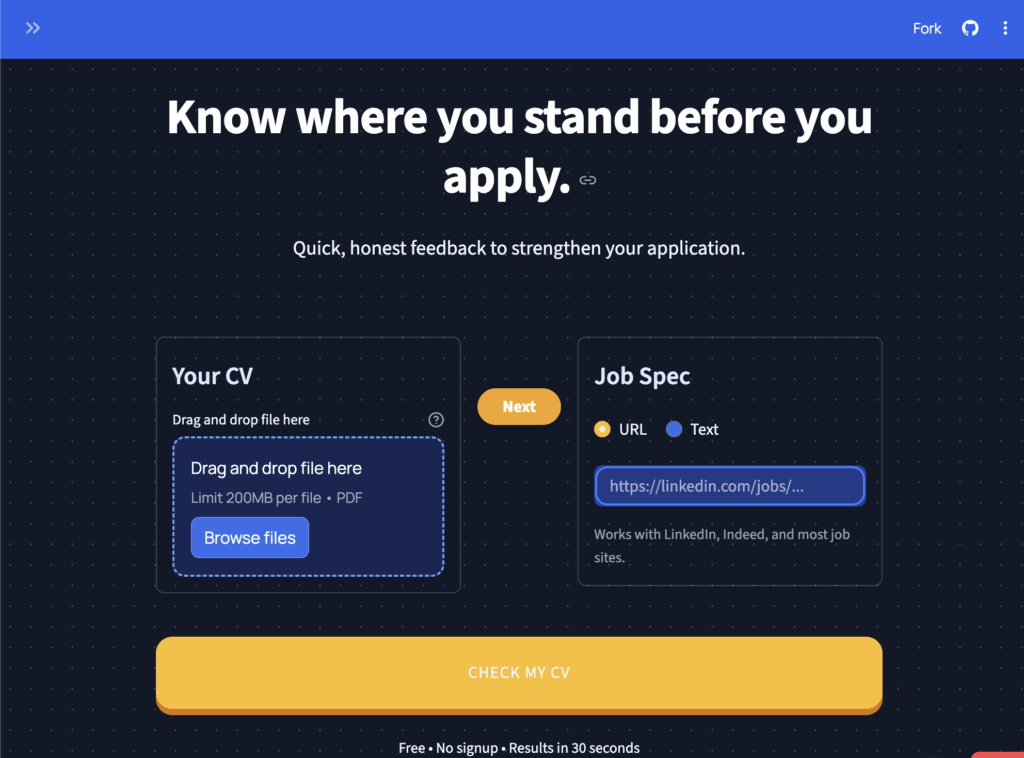
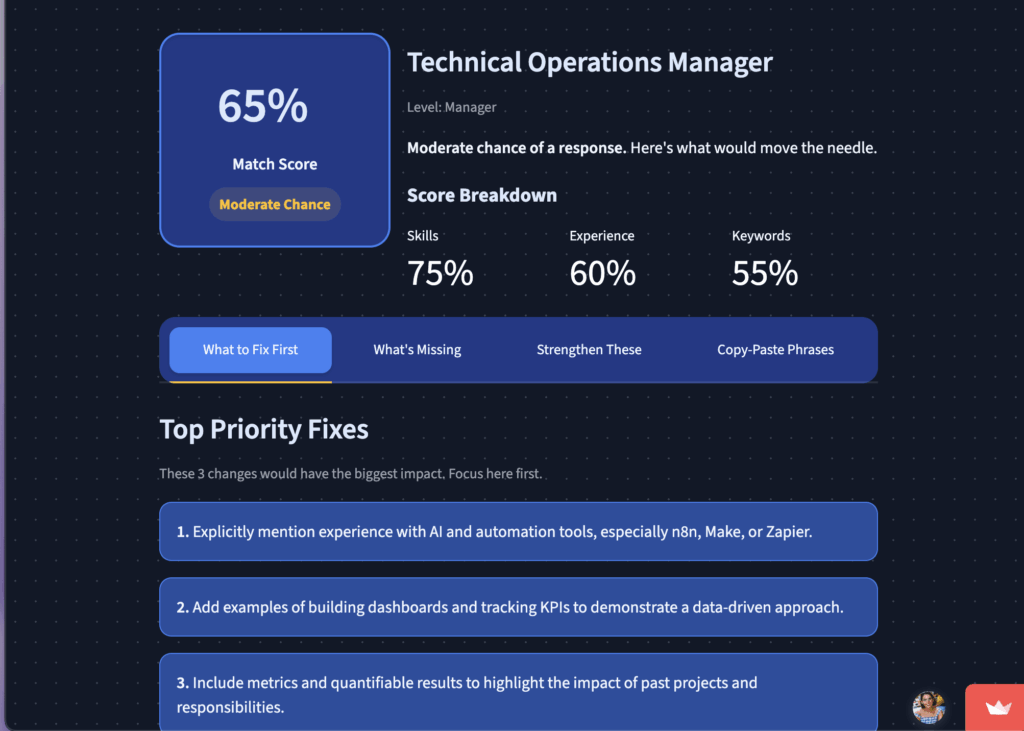
I’ve been experimenting with Google’s Antigravity tool recently, and it’s given me a genuine entry point into what people are calling “vibe coding.” To put it to the test, I’m using it to build a CV matching application, a tool designed to compare job specifications with CVs and provide honest feedback on fit.
After a few days of hands-on use, here are my observations.
The Learning Curve is Gentler Than Expected
Once I realised I could interact with Antigravity like a normal chatbot, everything clicked. It was a small but meaningful revelation when I found I could ask it to install dependencies for me rather than manually setting up Next.js or Tailwind. The tool handles the technical plumbing, and that is quite amazing to see. The productivity gains from letting the tool handle your installations, rather than having to go search for how to do it yourself, are impressive.
Creativity Over Know-How
What strikes me most is how the tool shifts the emphasis. As a non-coder, I’m now operating in a developer space, but the experience prioritises creativity and productivity over technical expertise. The complexities of building an application are still there, but Antigravity absorbs much of that burden. It makes the space feel closer and more accessible. There’s something genuinely satisfying about being able to prototype ideas without first learning a programming language.
You Will Get Stuck
Extended back-and-forth sessions sometimes lead nowhere, with the application failing to do what you need. When this happens, I’ve found it helpful to step outside the tool entirely, using Claude to think through where the problem might be or to narrow down potential solutions. Vibe coding works well for building new features and scaffolding, but it struggles more with debugging complex state issues or untangling problems it created in previous iterations.
Version Control Matters
I’ve inadvertently broken my application more than once through changes I didn’t fully understand. So far, I’ve been fortunate enough to roll back, but this has reinforced something I already knew: I need to backup my code to GitHub regularly. Treat each working state as a checkpoint.
It’s Remarkably Addictive
It’s amazing. Once you find your flow, seeing your ideas suddenly come to life on screen feels incredible. The feedback loop is immediate and actually fun; it keeps you engaged in a way I didn’t expect.
The Code Quality Question Remains Open
I’m honestly not certain whether what I’m producing would make a professional developer wince. The application works, but I lack the expertise to evaluate whether it’s maintainable, efficient, or following best practices. If you’re building something intended to last, consider having someone with development experience review the output.
A Reality Check on the Hype
There’s a misconception circulating that you can “vibe code” an app, ship it, acquire customers, and build a hundred-million-pound business. I think this is wrong. What these tools produce is often hacky and not stable on its own two feet. The gap between “working prototype” and “shippable product” remains significant. I wouldn’t ship something I don’t know how to maintain, debug, or support. Vibe coding is excellent for exploration and prototyping, but it doesn’t eliminate the need for proper engineering when the stakes are real.
You Learn by Doing
Perhaps the most surprising outcome is the incidental learning. Following along with what Antigravity is doing exposes you to concepts you’d otherwise never encounter: what an API key is, how to use the terminal, what Streamlit does, and why certain files live in certain directories. You won’t become a developer overnight, but you gain enough literacy to understand the domain.
The Bigger Picture
This experience has reinforced my thinking about where we’re headed. We’re witnessing a shift from coding as a craft to directing agents as a capability. Tools like Antigravity don’t replace developers, but they do expand who can participate in building software. The barrier to entry is lowering, and that has implications for how organisations think about technical capacity and who gets to prototype ideas.
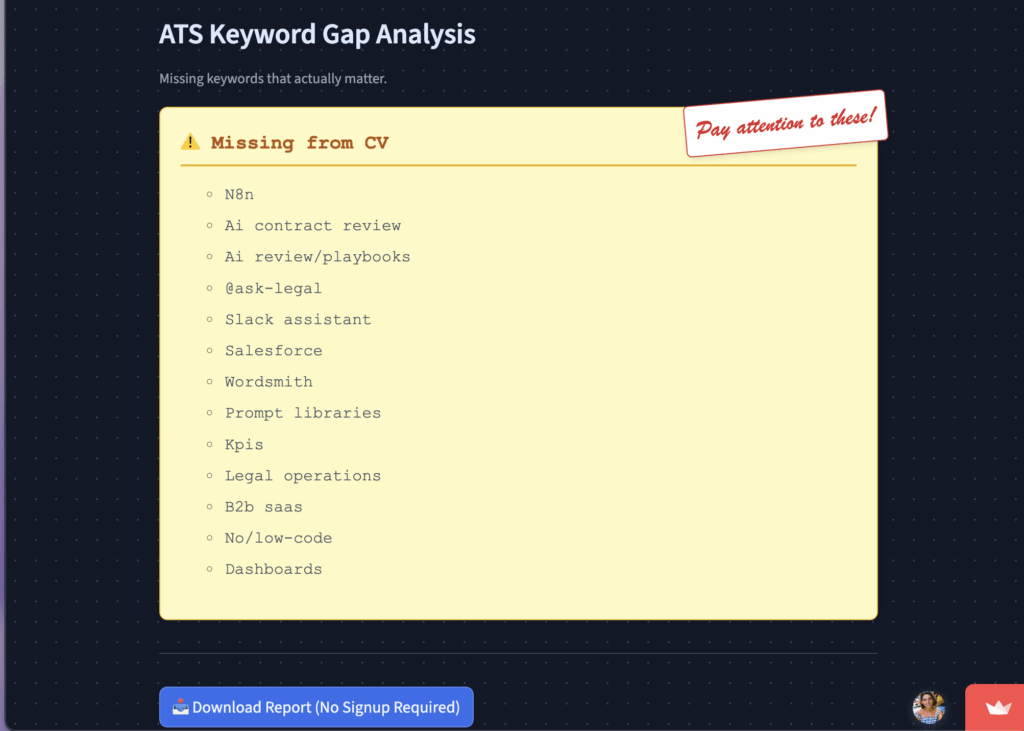
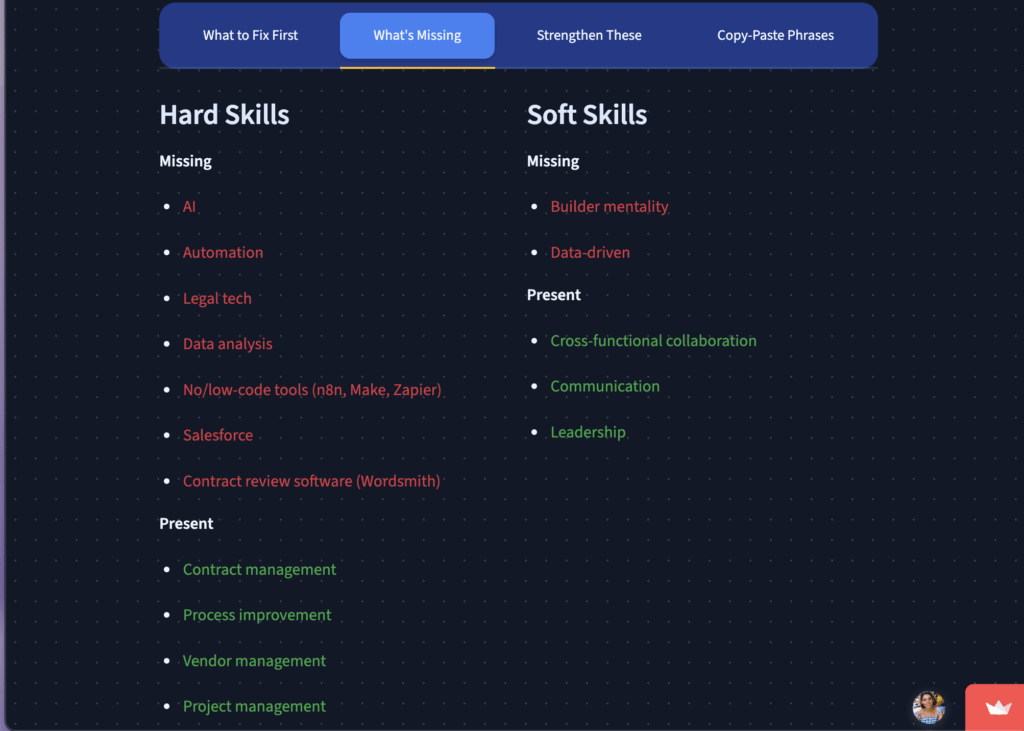
This is what I built: https://honest-cv-matcher.streamlit.app/