
After spending a weekend vibe-coding an app to curate podcasts, videos and articles, I learnt that rapid prototyping can make unfinished ideas look deceptively complete. It also exposes weak product assumptions, encourages premature polish and teaches technical concepts. Prototypes accelerate learning, but still require clear strategy, documentation, judgement and discipline.

Mirror, Mirror on the wall, tell me which idea will stall?
AI has made building software cheap, so the real cost has shifted to deciding what’s worth building. Vision and strategy, once wishy-washy corporate words, are now the filter for making the right bets. Prototypes arrive too easily and anchor teams, so treat them as exploration, not finished products.
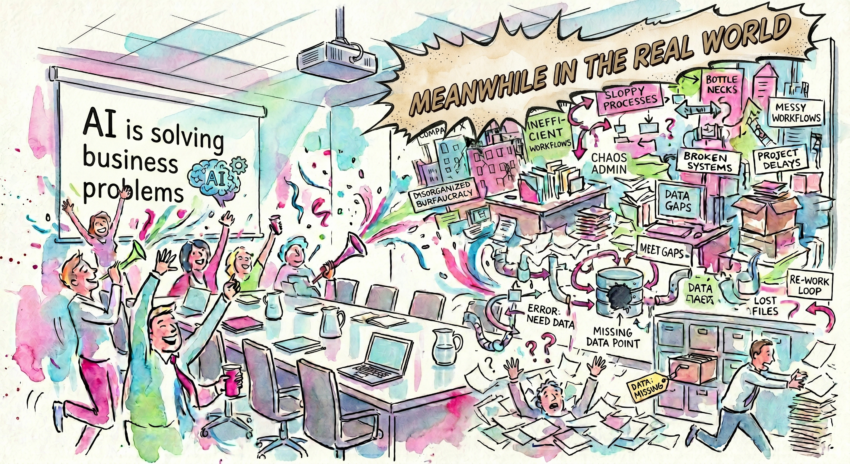
Some thoughts on AI and where to get started
After three weeks of AI conferences, one thing was clear: everyone wants AI, but few know what for. The value was never in the tool. It’s in the process and strategy behind it. AI won’t fix a broken workflow, it scales it. Get those right first.
A Spoonful of AI
Great art has always copied. So why does AI provoke unease? This essay argues the problem was never imitation, or even effort, but transformation. Slop is what comes out when nothing is changed and no one is behind it. Used as a medium, AI need not flatten everything into sameness.

What I’ve learnt in my first month
Reflections on my first month in a new role. Why that fresh-eyes phase matters and can’t be recreated. How uncomfortable it is to not know the politics, the people, or yourself in a new space. And how a new environment forces you to re-meet the strengths you’d stopped noticing.

The Art of Influence
As AI lowers the barrier to execution, the skills that matter most for product managers are distinctly human. Drawing on lessons from Jessica Fain’s appearance on Lenny’s Podcast, this post explores how PMs can master influence, build executive trust, and drive strategic alignment.
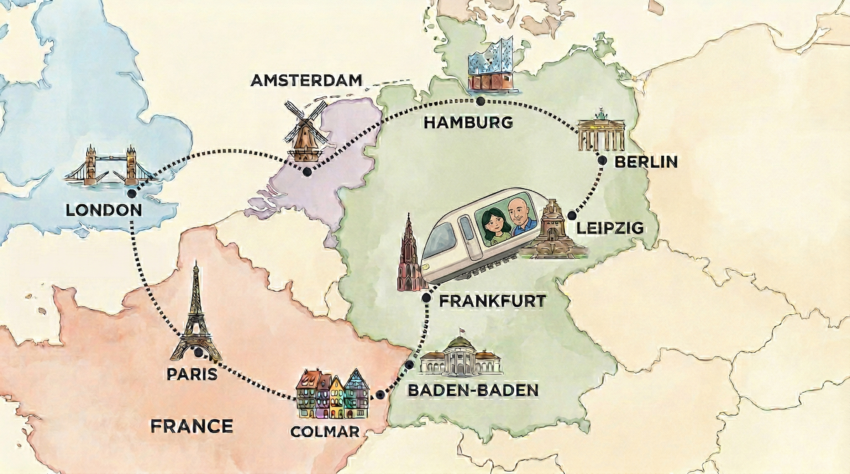
Steam, Spas & Super Kings: A European Rail Trip
We traded airports for trains and chased saunas across Europe. Amsterdam’s waterfront spa charmed us, Hamburg felt luxurious, Berlin’s Bauhaus gloom underwhelmed, and Leipzig stole the show with unlimited towels and proper relaxation vibes. More cities to come!

My Experiments with Google’s Antigravity: An Honest Look at Vibe Coding
“Vibe coding” with Google’s Antigravity makes app building accessible, prioritizing creativity over technical skill. While it handles setup and fosters learning, it isn’t a silver bullet: debugging is tough, and code quality varies. It’s excellent for prototyping but doesn’t replace the need for proper engineering in serious products.
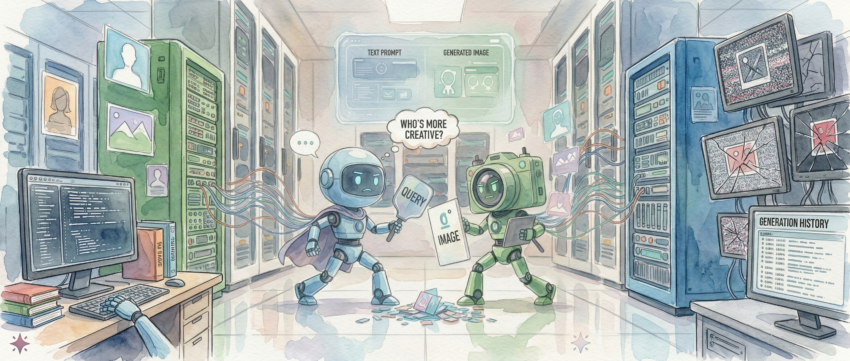
I Tested Claude’s and Google’s AI Builders With the Same Prompt. Here’s What Happened
I tested Anthropic’s Image with Claude against Google’s Build feature using identical prompts. Claude excels in design, creating polished, visually engaging apps but requires a paid subscription and offers only one-off experiences. Google’s Build is free yet buried deep within ai.dev, making it difficult to discover. However, it provides a persistent workspace where apps can be saved, shared, and refined over time.

Claude’s “Imagine” Feature and the Three Pillars of Product Delight
This blog post discusses product delight, defining it as the intersection of joy and surprise. Using Nesrine Changuel’s framework, it highlights how Claude’s “Imagine” feature exemplifies this by removing friction, anticipating user needs, and exceeding expectations, thereby creating a delightful and creative experience for its users.